Introduction
Boom lifts allow workers to reach significant heights safely when used correctly. However, they require proper training, inspection, and operational discipline. This guide covers the essential boom lift safety tips every operator and site manager should follow.
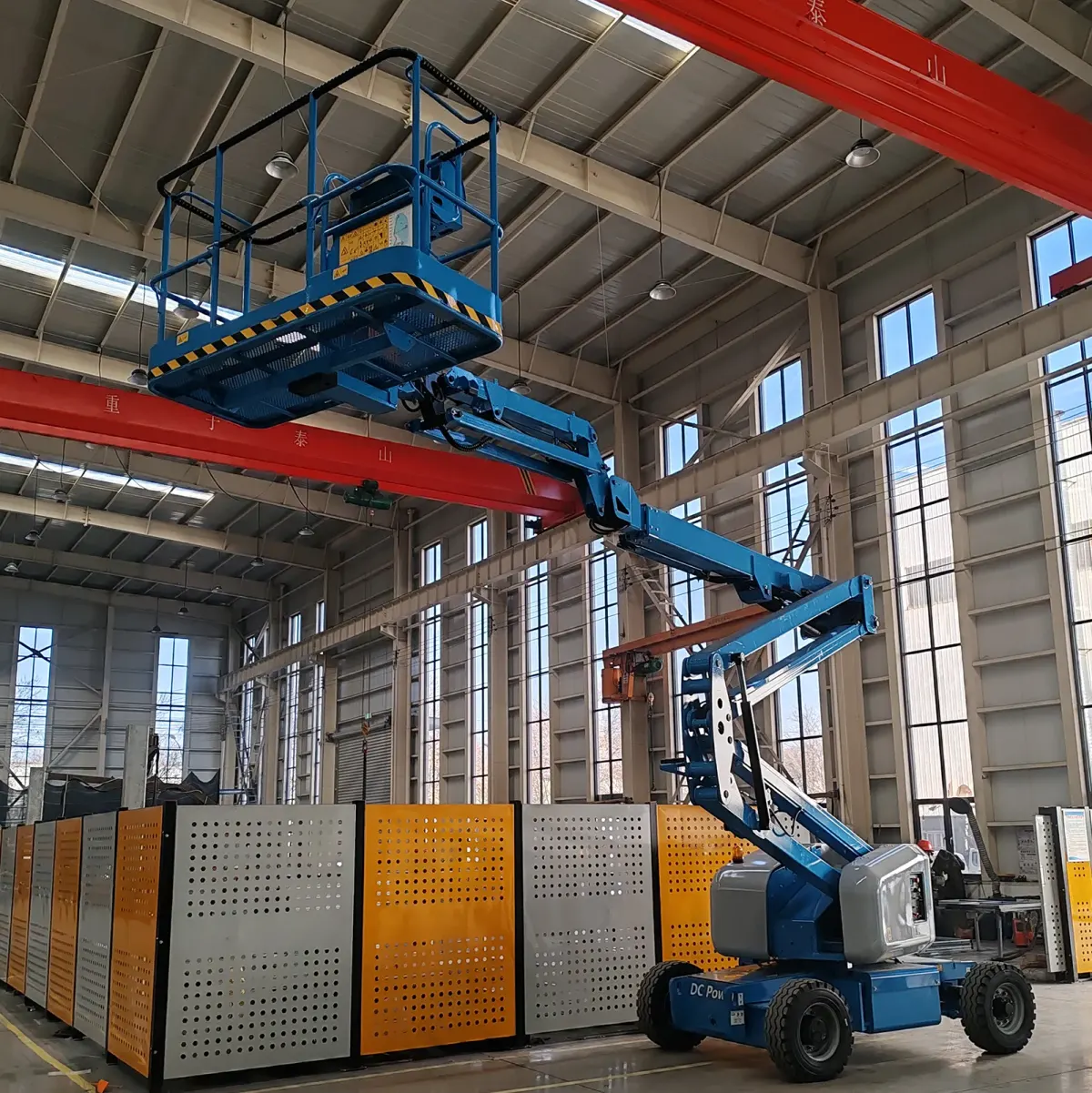
Pre-Operation Inspection
Before each shift, inspect the boom lift:
- Tires and brakes: Check condition and pressure.
- Controls: Test all functions from both the ground and platform.
- Platform: Check guardrails, gate, and floor condition.
- Safety devices: Verify emergency stop, descent, and tilt alarms.
- Hydraulic system: Look for leaks, damaged hoses, and secure connections.
- Overall condition: Report any damage or issues before use.
Safe Operating Practices
1. Know Your Load Limits
Never exceed the rated platform capacity. Account for the operator, tools, and materials. Do not use the platform as a crane or attach loads that exceed the rating.
2. Level the Machine
Operate only on level, firm ground. Use outriggers if equipped, and avoid soft or uneven surfaces that could cause tip-over.
3. Maintain Clearance
Keep safe distance from overhead obstacles and energized power lines. Confirm the minimum clearance required by your local regulations.
4. Use Fall Protection
Wear a full-body harness and attach the lanyard to the approved anchor point on the platform at all times.
5. Don’t Climb or Lean
Never climb on the guardrails or lean outside the platform. Keep all body parts inside the platform enclosure.
6. Drive with Platform Lowered
Lower the platform fully before moving the machine, unless the manufacturer permits travel with the platform elevated.
Hazard Awareness
Electrocution
Boom lifts near power lines are extremely dangerous. Maintain required clearances and treat all lines as energized.
Tip-Over
Uneven ground, overloading, and exceeding reach limits can cause tip-over. Always level the machine and respect load limits.
Falling Objects
Secure tools and materials to prevent them from falling onto workers below.
Weather Conditions
High winds can make boom lift operation unsafe. Follow manufacturer wind speed limits and suspend work in severe weather.
Operator Training
All operators must complete formal training covering:
- Equipment controls and limitations.
- Pre-operation inspection procedures.
- Workplace hazard identification.
- Emergency and rescue procedures.
- Manufacturer’s operating instructions.
GP LIFT Boom Lifts
GP LIFT boom lifts are designed with safety features including platform overload protection, emergency descent controls, and stability systems. With working heights from 14m to 20m, they are built for construction, maintenance, and installation applications worldwide.
FAQ
What pre-operation checks should I perform on a boom lift?
Inspect tires, brakes, controls, platform, safety devices, hydraulic hoses, and check for leaks or damage before each shift.
Do I need fall protection on a boom lift?
Yes, operators must wear a full-body harness and lanyard attached to the approved anchor point on the platform.
What is the main cause of boom lift accidents?
Tip-over from uneven ground, overloading, or exceeding reach limits is a leading cause, along with electrocution from power lines.