Introduction
Safety is the foundation of any industrial lifting operation. A cargo lift carries heavy loads over significant heights, and a single equipment failure can cause serious injury, damage, and costly downtime. Investing in the right safety features — and maintaining them — protects your team and your investment.
This guide covers the essential safety features of a hydraulic cargo lift and why each one matters.
Essential Safety Features
1. Explosion-Proof Hydraulic Valve
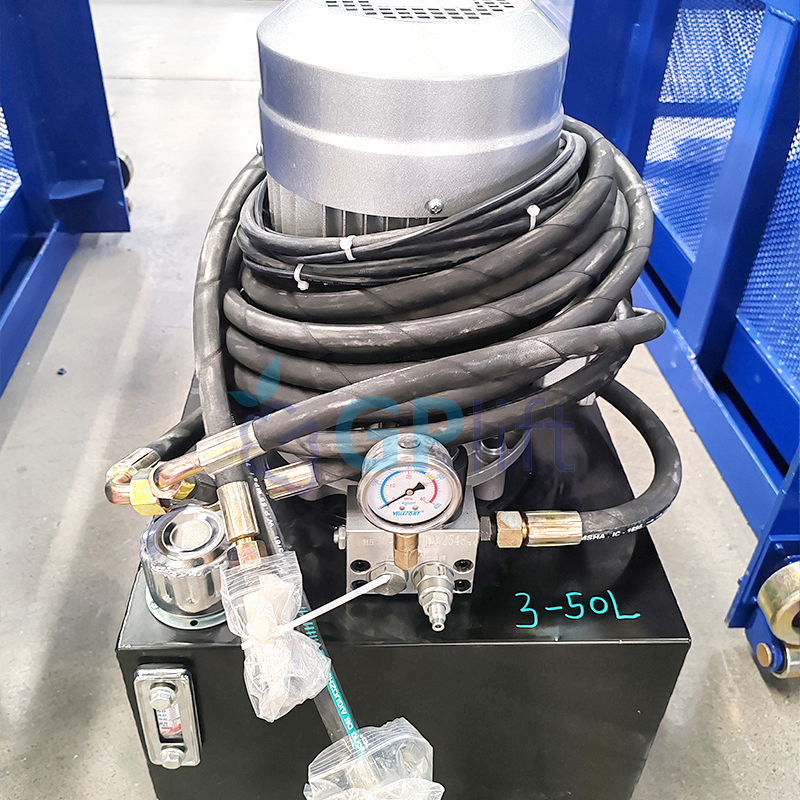
The explosion-proof hydraulic valve is a critical safety component. If a hydraulic line ruptures or pressure drops unexpectedly, the valve prevents the platform from descending in an uncontrolled way. This protects anyone working on or beneath the platform.
2. Emergency Stop Button
Emergency stop buttons at each control panel allow an operator to halt the lift immediately in any situation. Every control point should have a clearly marked, easy-to-reach emergency stop.
3. Top and Ground Limit Switches
Limit switches prevent the platform from over-traveling beyond its intended top and bottom positions. They stop the lift automatically at the correct levels and protect the structure from damage.
4. Safety Interlock Doors
Safety outwards doors with interlocks ensure the lift cannot move while a door is open. This prevents falls and entry hazards at landing openings.
5. Overload Warning Alarm
An overload warning alarm alerts the operator when the platform approaches or exceeds its rated capacity. This helps prevent dangerous overloading that could strain the structure.
6. Safety Railing
A 1.4m safety railing around the platform edge prevents goods or personnel from falling off during loading and travel. For exposed installations, a full mesh cage provides even greater protection.
Additional Protection Options
Depending on your application, consider these enhanced options:
- Full surrounding safety mesh cage for exposed or high-traffic areas.
- Electric roller shutter safety door for automated, secure access.
- Waterproof hydraulic station cabinet for outdoor or humid environments.
- Guide wheels for smoother, more stable travel.
Maintaining Safety Devices
Safety features only protect you if they work. Include them in your routine maintenance:
- Test emergency stops and interlocks at least monthly.
- Verify limit switches stop the platform at correct positions.
- Inspect hydraulic valves for leaks or wear.
- Check overload alarms respond correctly.
- Review railing and mesh for damage or loosening.
Why Safety Is a Smart Investment
Every safety feature you include reduces risk, but it also reduces downtime and liability. A lift equipped with proper safety devices and maintained regularly will operate more reliably, protect your workforce, and last longer.
GP Lift cargo lifts come with a full safety package and a 5-year structural warranty. We also provide remote technical installation guidance so your local team can set up and maintain the lift correctly.
FAQ
What are the most important cargo lift safety features?
Explosion-proof hydraulic valve, emergency stop, top and ground limit switches, safety interlock doors, overload alarm, and a 1.4m safety railing are essential.
Why is an explosion-proof hydraulic valve important?
It prevents uncontrolled descent if a hydraulic line fails, protecting personnel and goods on and below the platform.
How often should cargo lift safety devices be tested?
Emergency stops, interlocks, and limit switches should be tested at least monthly as part of routine maintenance.