Introduction
Regular maintenance is the key to extending your hydraulic lift’s service life and ensuring safe operations. A well-maintained lift can serve your facility for 15-20 years, while neglected equipment may fail within 5 years or less. This guide provides a practical maintenance schedule you can implement immediately.
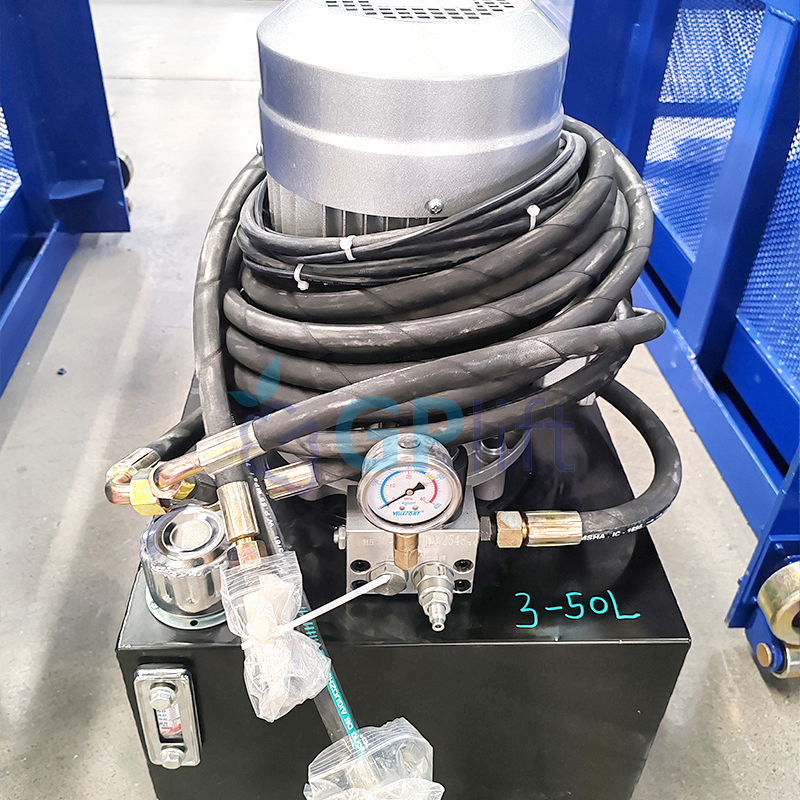
Monthly Maintenance (Every 30 Days)
Visual Inspection
- Check hydraulic oil level (should be between min and max marks)
- Inspect for oil leaks around cylinders, pipes, and fittings
- Look for loose bolts, nuts, and fasteners
- Check wire ropes/chains for wear or fraying
- Inspect platform surface for cracks or deformation
Safety Checks
- Test emergency stop button (lift should stop immediately)
- Verify limit switches at top and bottom positions
- Test safety interlock door operation
- Check overload warning alarm (if equipped)
- Test hydraulic explosion-proof valve function
Functional Tests
- Run lift through full travel cycle (up and down)
- Check for unusual noises or vibrations
- Verify smooth acceleration and deceleration
- Test all control buttons/panels
- Check emergency lighting (if equipped)
Quarterly Maintenance (Every 90 Days)
Hydraulic System
- Check hydraulic oil condition (color and clarity)
- Replace hydraulic filter
- Inspect hydraulic hoses for abrasion or cracking
- Verify hydraulic pressure (compare with specification)
- Check cylinder rod for scoring or corrosion
Mechanical System
- Lubricate guide rails with recommended grease
- Check chain/rope tension and wear
- Inspect sheaves/pulleys for wear
- Verify safety gear mechanical operation
- Check rail alignment
Electrical System
- Tighten electrical connections
- Inspect control panel for dust/moisture
- Test all sensors and switches
- Check grounding continuity
- Verify emergency power system (if equipped)
Annual Maintenance (Every 12 Months)
Comprehensive Overhaul
- Drain and replace hydraulic oil
- Deep-clean all hydraulic components
- Inspect cylinder seals and replace if worn
- Check structural welds for cracks (magnetic particle test)
- Verify all safety systems with certified inspector
Load Testing
- Perform rated load test (100% capacity)
- Test overload protection (110-115% capacity)
- Measure lift speed under load
- Check braking performance
- Document all test results
Documentation
- Update maintenance log
- File inspection/certification reports
- Order spare parts kit
- Review warranty status
- Schedule next year’s maintenance
Signs Your Lift Needs Immediate Attention
Emergency — Stop Operation:
- Sudden loss of lifting power
- Unusual grinding or metal-on-metal noise
- Hydraulic oil spraying or major leak
- Platform tilting or uneven movement
- Emergency stop not working
- Burning smell or electrical arcing
Schedule Repair Soon:
- Gradual reduction in lifting speed
- Increased noise during operation
- Minor oil seepage (not spraying)
- Platform wobble at certain heights
- Intermittent control issues
Spare Parts Kit
Keep these consumables on hand for quick replacement:
- Hydraulic oil (20-40 liters, depending on model)
- Hydraulic filter cartridge
- Limit switches (spare set)
- Fuses (various ratings)
- Emergency stop button
- Wire rope/chain (spare length)
- Lubrication grease (recommended type)
Professional Service
For comprehensive annual inspections and repairs, contact our certified service team:
- Email: service@gplift.com
- WhatsApp: +86 156 6641 1024
- Response time: Within 24 hours for industrial clients
Remember: A well-maintained lift is a safe lift. Don’t skip your maintenance schedule — it could save lives and prevent costly downtime.
FAQ
How often should a hydraulic lift be maintained?
Monthly visual inspections and scheduled annual professional maintenance are recommended to keep the lift running safely and extend its lifespan.
What should I check during monthly maintenance?
Check hydraulic oil level, inspect for leaks, tighten loose bolts, check wire ropes or chains, and test the emergency stop button.
How long can a well-maintained hydraulic lift last?
A well-maintained hydraulic lift can serve a facility for 15–20 years, while neglected equipment may fail within 5 years.