Introduction
Hydraulic lifts are built to be reliable, but like any mechanical equipment, they can develop problems over time. Many common issues can be diagnosed and resolved quickly if you know what to look for. This guide covers the 10 most common hydraulic lift problems and how to fix them.
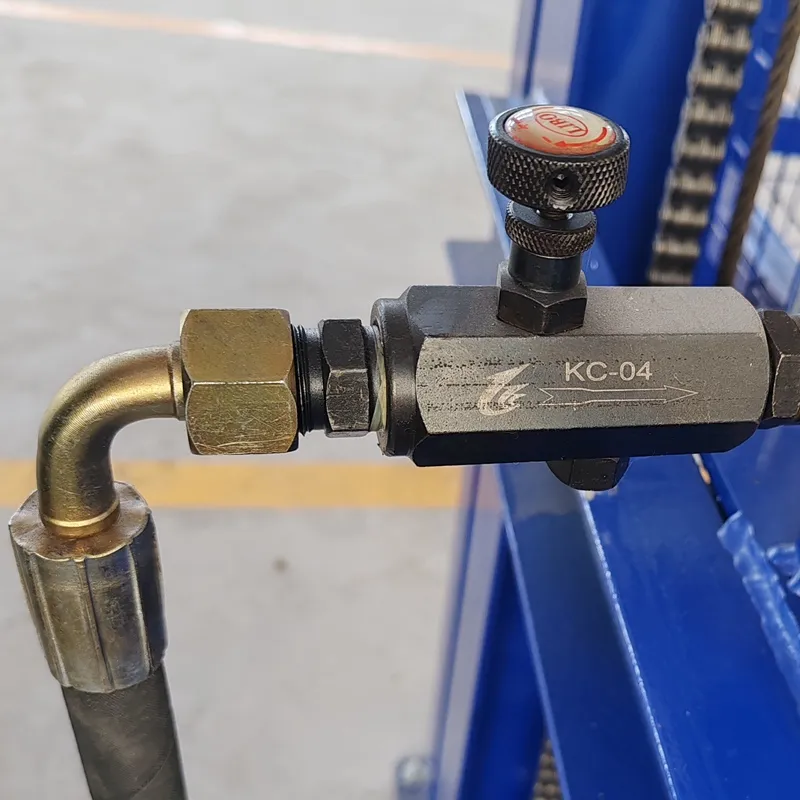
10 Common Problems and Fixes
1. Slow Lifting or Lowering
Cause: Low hydraulic oil, clogged filter, air in the system, or a worn pump. Fix: Check and top up the oil level, replace the filter, bleed air from the system, and inspect the pump for wear.
2. Lift Won’t Move at All
Cause: Power failure, tripped circuit breaker, faulty control panel, or a seized pump motor. Fix: Check the power supply and circuit breaker, inspect controls and wiring, and test the motor.
3. Hydraulic Oil Leaks
Cause: Worn cylinder seals, damaged hoses, or loose fittings. Fix: Inspect all seals, hoses, and fittings. Replace worn components and tighten loose connections. Always address leaks promptly—they cause pressure loss and unsafe operation.
4. Unusual Noises
Cause: Air in the hydraulic system, low oil, cavitation, or worn bearings. Fix: Bleed air from the system, check oil levels, and inspect pump and motor bearings.
5. Platform Shaking or Vibrating
Cause: Misaligned guide rails, loose fasteners, or uneven load distribution. Fix: Check rail alignment, tighten loose bolts, and ensure loads are centered on the platform.
6. Erratic or Jerky Movement
Cause: Air in the system, contaminated oil, or a failing valve. Fix: Bleed the system, replace contaminated oil, and inspect hydraulic valves.
7. Overload Alarm Triggering Frequently
Cause: Overloaded platform or a faulty overload sensor. Fix: Verify the load is within capacity, and test or replace the overload sensor.
8. Lift Drifts Down When Not in Use
Cause: Worn or leaking holding valve, or contaminated oil. Fix: Inspect and service the holding valve, and replace contaminated hydraulic fluid.
9. Noisy Power Unit
Cause: Low oil level, cavitation, or a faulty motor. Fix: Check oil level, inspect the pump, and test the motor.
10. Control Panel Not Responding
Cause: Loose wiring, faulty relay, or damaged control board. Fix: Inspect connections, test relays, and replace damaged components.
Diagnostic Tips
- Start simple: Check oil level, filter, and power supply before assuming a major fault.
- Listen carefully: Unusual noises often point to air, cavitation, or worn parts.
- Document symptoms: Note when the problem occurs (lifting, lowering, under load) to help diagnosis.
- Keep records: Maintenance logs help identify recurring issues.
When to Call a Professional
Some problems require expert service:
- Structural damage or cracks in the platform or frame.
- Persistent or major hydraulic leaks.
- Sudden loss of lifting power.
- Issues with safety-critical components such as valves, brakes, or limit switches.
- Annual inspections and certifications.
Preventative Maintenance
The best fix is prevention. Follow a regular maintenance schedule:
- Monthly visual inspections and functional tests.
- Quarterly hydraulic system checks.
- Annual professional inspection and certification.
GP LIFT Support
GP LIFT provides remote technical support and comprehensive documentation for our hydraulic lifts. If you need help diagnosing or resolving an issue, our service team is available to guide you.
FAQ
Why is my hydraulic lift moving slowly?
Slow movement is usually caused by low hydraulic oil, a clogged filter, air in the system, or a worn pump. Check oil level and filter first.
What should I do if my hydraulic lift is leaking oil?
Inspect cylinder seals, hoses, and fittings for wear or damage, and replace any worn components. Low oil pressure from a leak can cause unsafe operation.
When should I call a professional for hydraulic lift repairs?
Call a professional for structural issues, persistent leaks, sudden loss of lifting power, or any problem involving safety-critical components.