Introduction
Logistics and distribution centers are the engines of modern commerce. To keep goods moving quickly and safely, these facilities rely on a range of material handling equipment — and hydraulic lifts play a central role.
This article explores how cargo lifts, dock lifts, and scissor lifts support the efficiency, safety, and throughput of logistics and distribution centers.
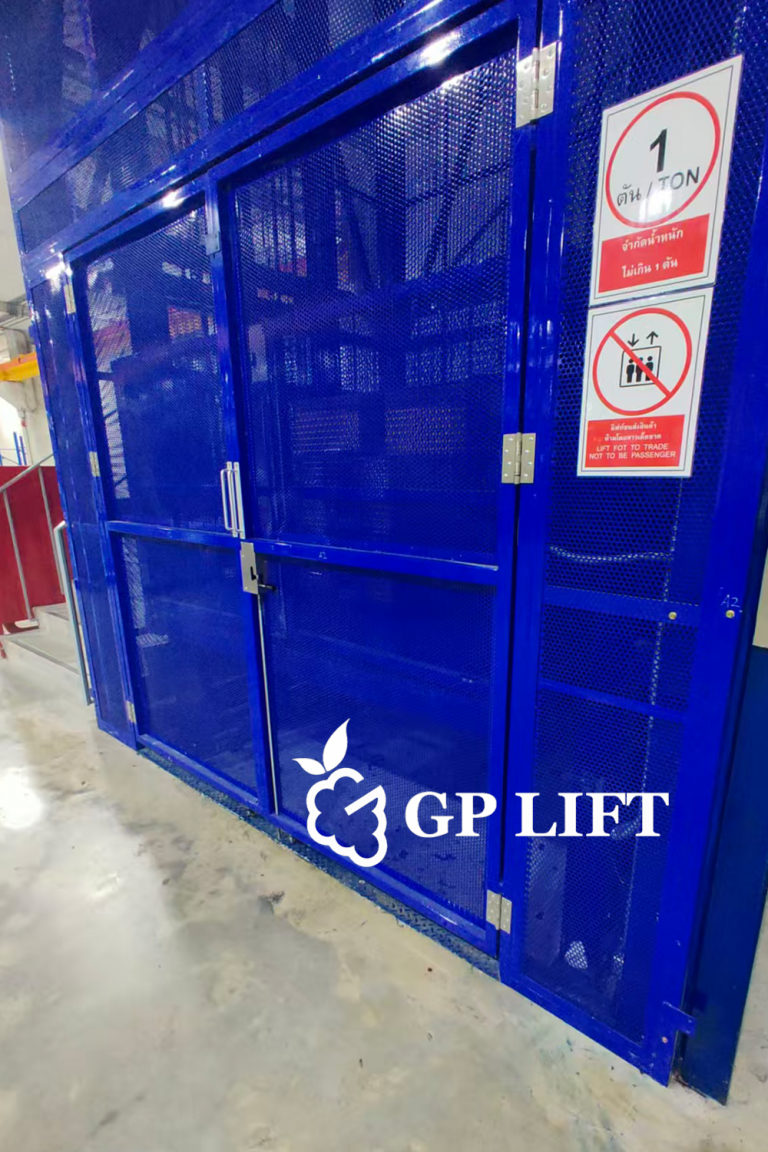
The Role of Lifts in Logistics
Distribution centers handle high volumes of goods moving between receiving, storage, picking, and shipping areas. Efficient vertical and level-changing transport is critical to:
- Moving goods between floors and mezzanines.
- Loading and unloading trucks at docks.
- Transporting pallets and containers efficiently.
- Reducing manual handling and worker fatigue.
Key Lift Types in Distribution Centers
Cargo Lifts
Cargo lifts move goods between floors, mezzanines, and multi-level storage areas. They handle heavy pallets and containers, keeping vertical transport fast and reliable.
- Ideal for multi-floor distribution centers.
- Heavy capacities up to 30 tons.
- Customizable platform size and travel height.
Dock Lifts
Dock lifts bridge the height gap between the dock floor and truck beds, enabling safe and efficient loading and unloading.
- Speed up truck turnaround.
- Reduce manual lifting at the dock.
- Handle a wide range of load weights.
Scissor Lifts
Scissor lifts provide vertical transport and positioning for cargo, supporting mezzanine access and level-changing workflows.
- Flexible for various heights.
- Suitable for cargo and vehicle transport.
- Complement cargo and dock lifts.
How Lifts Improve Efficiency
- Faster throughput: Goods move between levels and docks without bottlenecks.
- Space optimization: Vertical transport maximizes usable floor space.
- Reduced handling: Fewer manual steps reduce errors and labor costs.
- Better workflow: Smooth goods flow across the facility.
How Lifts Improve Safety
- Reduced manual lifting: Fewer ergonomic injuries.
- Guarded platforms: Railings and interlocks prevent falls.
- Overload protection: Prevents dangerous overloading.
- Stable transport: Controlled, reliable movement of heavy loads.
Designing Lifts into a Distribution Center
When planning a distribution center, consider:
- Goods flow: Map how goods move between receiving, storage, and shipping.
- Vertical requirements: Identify floors and mezzanines needing lifts.
- Dock configuration: Design dock lifts for efficient truck handling.
- Capacity planning: Size lifts for peak volumes.
GP Lift Logistics Solutions
GP Lift provides cargo lifts, hydraulic dock lifts, and scissor lifts engineered for the demands of logistics and distribution centers. With custom platform sizes, heavy capacities, and a 5-year structural warranty, our equipment supports efficient, safe, high-throughput operations.
FAQ
How do lifts improve logistics center efficiency?
Lifts move goods vertically and between dock levels quickly and safely, reducing manual handling, speeding throughput, and optimizing warehouse space.
Which lifts are used in distribution centers?
Cargo lifts move goods between floors, dock lifts bridge truck-to-dock gaps, and scissor lifts support mezzanine and level-changing transport.
Do lifts improve warehouse safety?
Yes, properly guarded lifts reduce manual lifting injuries, falls, and dropped-load accidents compared to manual or forklift-heavy operations.