Introduction
Scissor lifts are among the most common pieces of material handling equipment in warehouses, factories, and maintenance operations. They are powerful and versatile, but they also present serious safety risks if not operated correctly. Understanding the safety standards that govern scissor lift design, operation, and maintenance is essential for any facility manager.
This guide explains the key scissor lift safety standards, the most common hazards, and the practical steps you can take to keep your operation compliant and your team safe.
Key Scissor Lift Safety Standards
ANSI/SAIA A92 (North America)
In North America, scissor lifts are covered by the ANSI/SAIA A92 series of standards. These standards address:
- Design and construction requirements for aerial work platforms.
- Stability testing to prevent tip-over.
- Load capacity ratings and platform load limits.
- Safe use practices for operators and supervisors.
EN 280 (Europe)
In Europe, mobile elevating work platforms (MEWPs) including scissor lifts are covered by EN 280. This standard specifies:
- Safety requirements for design, calculation, and stability.
- Verification and testing procedures before delivery.
- Periodic inspection requirements during service life.
Regional Variations
Many regions adopt their own variations based on these core standards. Always check the specific requirements for your country and industry, and confirm that your equipment supplier provides compliant documentation.
Common Scissor Lift Hazards
Tip-Over
Tip-over is the leading cause of serious scissor lift accidents. It can result from:
- Operating on uneven or sloping ground without proper leveling.
- Exceeding the rated load capacity.
- Concentrating the load at the edge of the platform.
- Colliding with overhead obstacles or being struck by other equipment.
Falls from the Platform
Operators can fall from the platform if guardrails are removed or gates are not secured. Never climb on or over guardrails, and keep all body parts within the platform enclosure.
Entanglement and Crushing
Scissor lifts can trap operators between the platform, the scissor mechanism, or overhead structures. Keep clear of moving parts and maintain adequate clearance below overhead obstacles.
Electrical Hazards
Working near energized power lines can cause electrocution. Maintain safe clearances and never operate a scissor lift near live electrical conductors without proper precautions.
Operator Requirements
All scissor lift operators must:
- Complete formal training covering equipment operation, controls, and emergency procedures.
- Read the manufacturer’s manual before first use.
- Perform a pre-shift inspection of the machine, including brakes, controls, platform, and safety devices.
- Understand load capacity and never exceed the rated limit.
- Know the work site hazards, including floor conditions, overhead obstacles, and pedestrian traffic.
Maintenance and Inspection
Regular maintenance is critical to scissor lift safety:
- Pre-shift inspection: Check controls, tires, platform, guardrails, and safety devices before each shift.
- Periodic inspections: Perform documented inspections at the intervals required by the applicable standard.
- Annual certification: Have the lift inspected and certified by a qualified technician annually.
- Record keeping: Maintain inspection and maintenance records for the life of the equipment.
GP LIFT’s Commitment to Safety
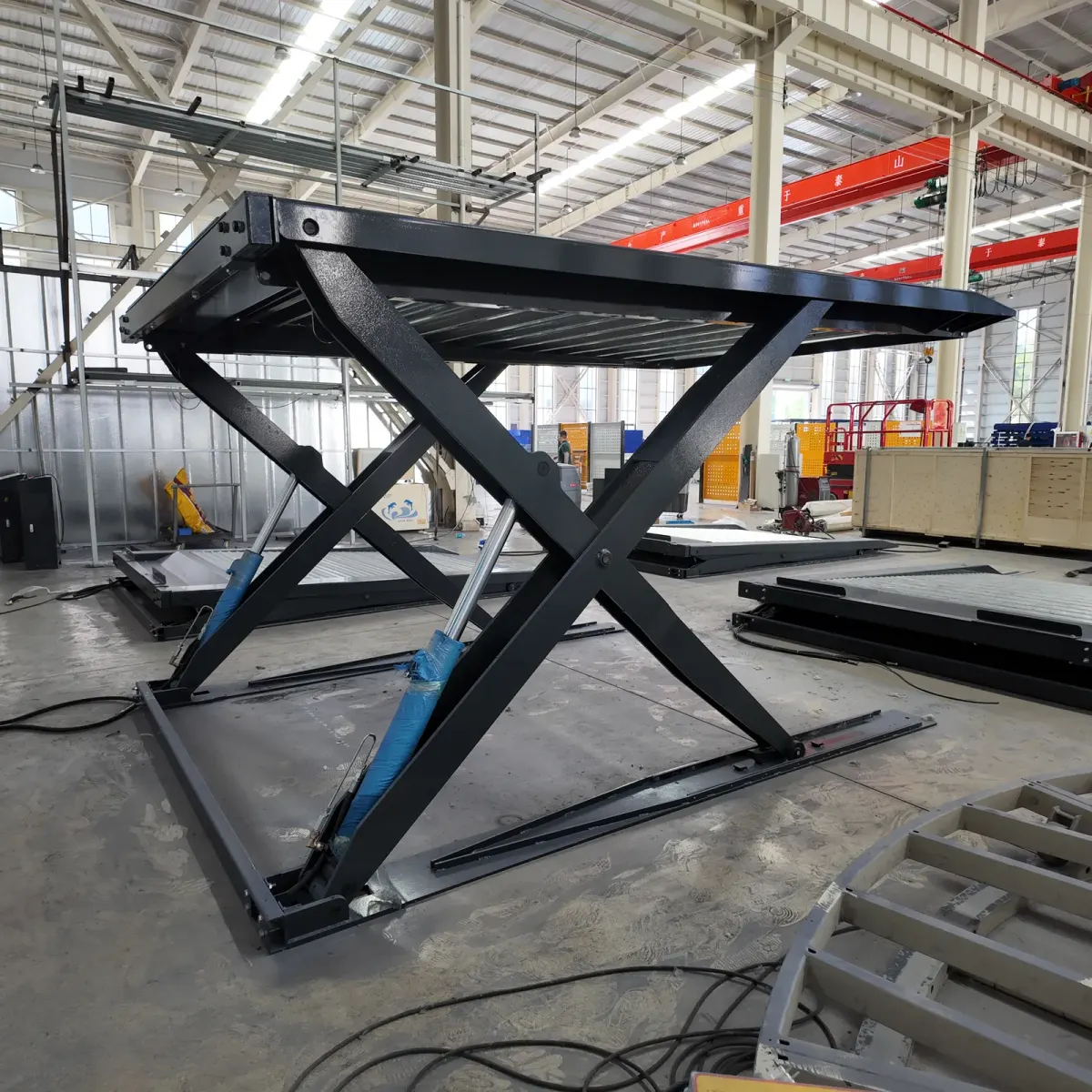
GP LIFT hydraulic scissor lifts are built with safety as a priority, featuring emergency stops, safety interlock doors, overload protection, and stable scissor structures. We provide comprehensive documentation and support to help you maintain compliance and safe operation.
FAQ
What safety standards apply to scissor lifts?
Scissor lifts typically follow regional standards such as ANSI/SAIA A92 in North America and EN 280 in Europe, covering design, testing, and safe use requirements.
Are scissor lift operators required to be trained?
Yes, operators must complete formal training covering equipment controls, load limits, workplace hazards, and emergency procedures before operating a scissor lift.
What are the most common scissor lift safety hazards?
Common hazards include tip-over from uneven surfaces or overloading, falls from the platform, entanglement with overhead structures, and crushing injuries.