Introduction
Dock lifts are essential for efficient loading and unloading, but they operate in a busy environment with vehicles, forklifts, and pedestrians. Following strict safety guidelines protects workers and prevents costly accidents. This guide covers the essential dock lift safety rules for every loading dock operation. It applies to pit-mounted and surface-mounted units alike — see the dock lift guide for equipment types, capacity options and mounting methods.
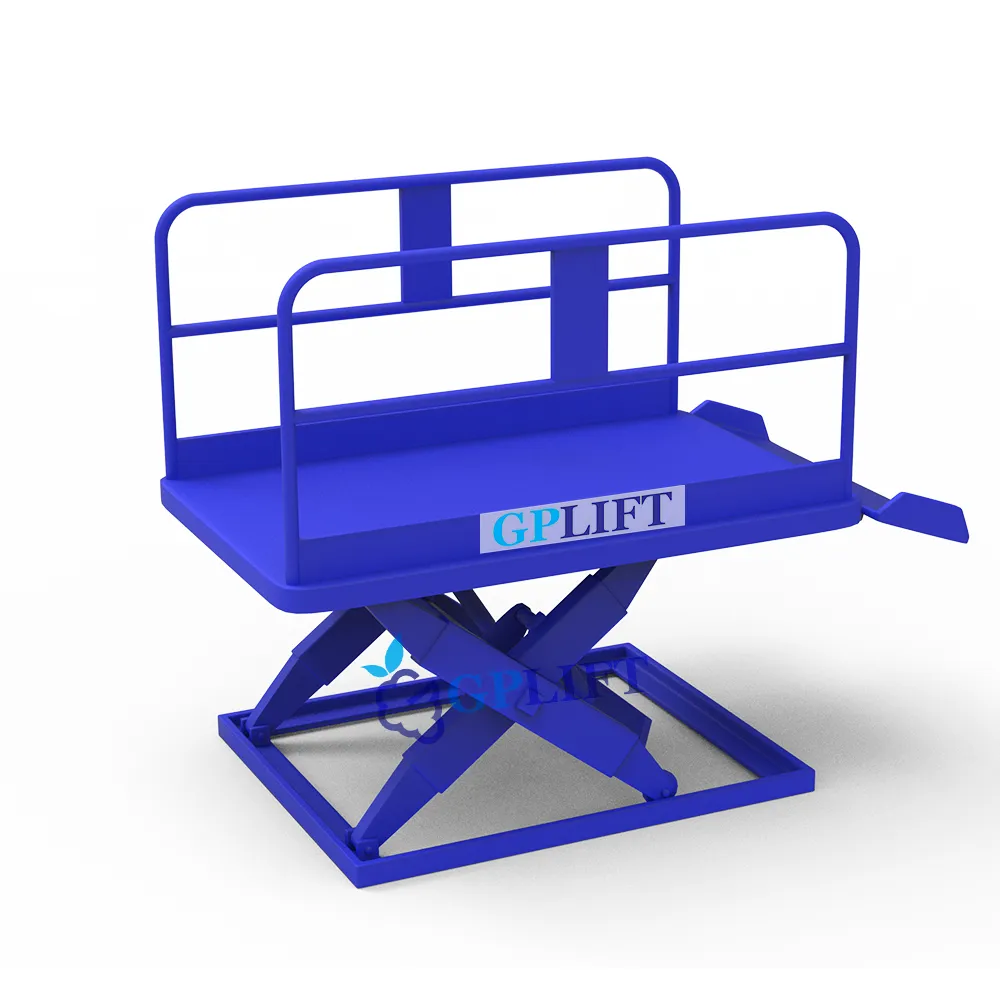
Operator Requirements
All dock lift operators must:
- Complete training on equipment operation and safety.
- Read the manual before operating a new or unfamiliar lift.
- Perform pre-operation inspections each shift.
- Understand load capacity and never exceed it.
- Follow site safety rules, including PPE and traffic control.
Safe Operation Guidelines
1. Respect Load Limits
Never exceed the rated capacity of the dock lift. Account for the forklift and load combined weight, and avoid concentrated loads at platform edges.
2. Secure the Area
- Keep the area around the lift clear of personnel.
- Use wheel chocks and vehicle restraints to prevent truck movement.
- Ensure adequate lighting and visibility.
3. Control the Load
- Center loads on the platform.
- Secure unstable or loose loads.
- Move slowly and smoothly to avoid shifting.
4. Prevent Falls
- Keep guardrails in place and gates secured.
- Never climb on or over guardrails.
- Keep all body parts inside the platform.
5. Avoid Pinch Points
- Keep hands and feet clear of moving parts.
- Never reach under the platform while it is moving.
- Use caution when the lift is lowering.
Pre-Operation Inspection
Before each shift, check:
- Platform condition and surface.
- Guardrails, gates, and safety interlocks.
- Hydraulic system for leaks.
- Controls and emergency stop.
- Wheels, brakes, and leveling devices.
Hazard Prevention
Falls from the Platform
Guardrails, secured gates, and proper use prevent falls—the most common dock lift injury.
Loads Falling
Center and secure loads, and avoid overloading to prevent materials from falling during transfer.
Vehicle Movement
Wheel chocks and restraints prevent truck movement that can shift the lift or platform. Where a truck parks at an uneven bay, a dock leveler is the companion piece that bridges the lip while the dock lift sets the working height.
Pinch Points
Stay clear of the scissor mechanism and platform edges during movement. If you are still deciding between a scissor-based dock lift and a standard scissor lift, the dock lift vs scissor lift comparison explains which hazards apply to each.
Maintenance and Documentation
- Regular inspections: Documented daily and periodic checks.
- Annual inspection: Professional inspection and certification.
- Maintenance records: Keep service history for the equipment.
- Immediate repair: Address any malfunction before continued use.
GP LIFT Dock Lift Safety
GP LIFT hydraulic dock lifts include safety features such as emergency stops, safety interlocks, and overload protection. We provide documentation and support to help you maintain safe loading dock operations.
FAQ
What are the key dock lift safety rules?
Respect load limits, keep the area clear, secure the load, use wheel chocks and restraints, and never operate a damaged or malfunctioning lift.
Do dock lift operators need training?
Yes, operators must be trained on safe operation, load handling, emergency procedures, and pre-operation inspections.
What causes most dock lift accidents?
Most accidents involve falls from the platform, loads falling during transfer, vehicle movement, and pinch points around moving parts.
How often should a dock lift be inspected?
Carry out a documented visual check before every shift, covering the platform, guardrails, interlocks, hydraulics and controls. Add a professional inspection and certification once a year, or more often in high-traffic facilities.
What should I do if the dock lift stops mid-lift?
Stop the operation, keep personnel clear of the platform, and secure the load before using the emergency lowering valve to bring the platform down. Never reach under or into the scissor mechanism, and call service before restarting the lift.
Do I need wheel chocks, vehicle restraints, or both?
A vehicle restraint is the primary protection because it locks the trailer to the dock, while chocks act as a backup. Use both where the site layout allows, and never let a forklift enter a trailer that is not restrained or chocked.