Introduction
Dock lifts and scissor lifts both use hydraulic lifting mechanisms, which often leads to confusion about which one to choose. While they share technology, they are optimized for different tasks: dock lifts handle loading and unloading at dock height, while scissor lifts provide vertical transport between levels.
This guide clarifies the differences so you can select the right equipment for your loading dock, warehouse, or factory.
What Is a Dock Lift?
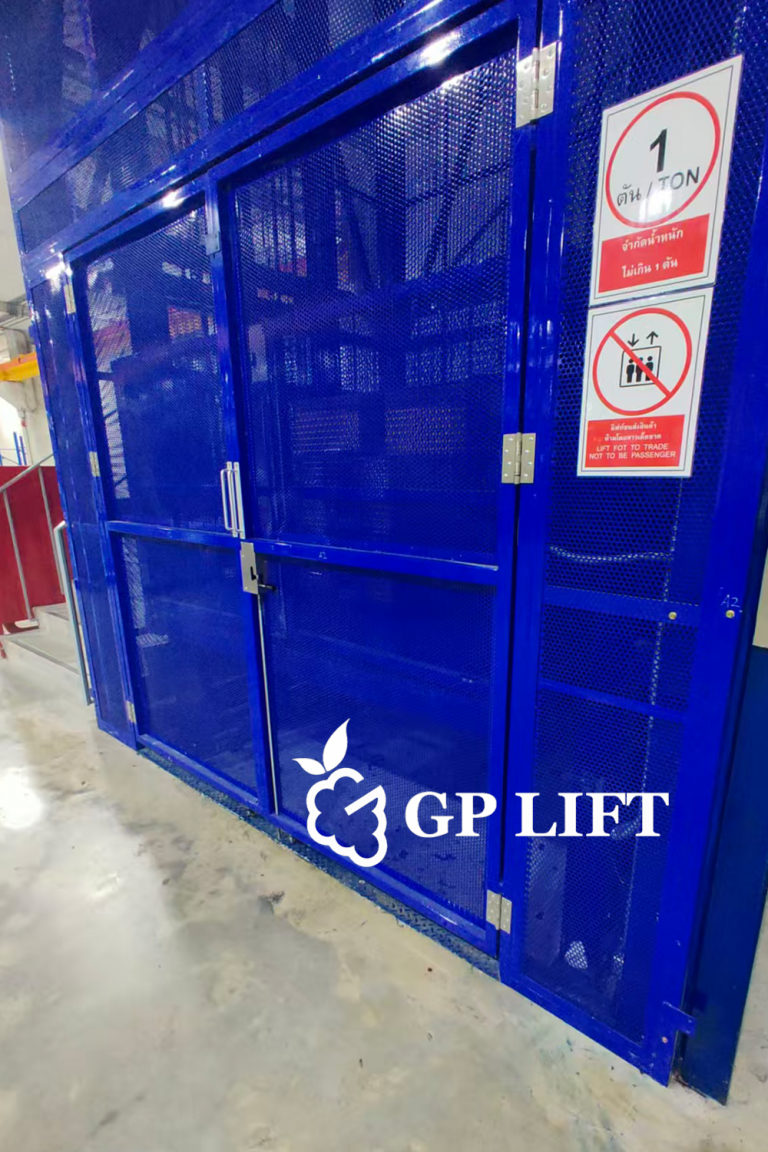
A dock lift is a low-profile hydraulic platform installed at a loading dock to bridge the height difference between the dock floor and the bed of a truck or trailer. It raises and lowers goods to a convenient loading height.
Dock lifts are ideal for:
- Loading and unloading trucks and trailers.
- Moving goods between ground level and dock height.
- Facilities without a recessed dock or dock leveler.
- Improving ergonomics and speed of material handling.
What Is a Scissor Lift?
A hydraulic scissor lift uses a folding scissor mechanism to raise a platform vertically. It can transport cargo, vehicles, or personnel between different floor levels.
Scissor lifts are ideal for:
- Moving goods between warehouse floors or mezzanines.
- Raising vehicles in parking applications.
- Cargo transport in factories and repair shops.
- Providing a stable elevated work platform.
Key Differences
Travel Height
Dock lifts typically have modest travel to bridge dock-to-truck gaps (around 1–2m). Scissor lifts can travel higher, reaching 3–6m or more for multi-level transport.
Application Focus
Dock lifts are purpose-built for loading and unloading at the dock. Scissor lifts are general-purpose vertical transport systems.
Platform
Both have flat platforms, but dock lifts are often wider to accommodate pallet loads at the dock, while scissor lifts may carry vehicles or cargo.
Load Capacity
Both are available in heavy capacities (1–10 tons). Choose based on your specific load weight.
Which Should You Choose?
Choose a dock lift when:
- Your main task is loading and unloading vehicles at a dock.
- You need to bridge the dock-to-truck height gap.
- Your facility handles frequent truck traffic.
Choose a scissor lift when:
- You need to transport goods between floors or mezzanines.
- You are moving vehicles vertically.
- Your application is broader than dock loading.
In some facilities, a single hydraulic scissor lift can serve both roles if the platform and height are suitable. Discuss your workflow with a manufacturer to find the best fit.
GP Lift Solutions
GP Lift offers both hydraulic dock lifts (1–10 ton) for efficient loading dock operations and hydraulic scissor lifts (1–5 ton) for cargo and vehicle vertical transport. Both are customizable in platform size and travel height, with a 5-year structural warranty.
FAQ
What is the difference between a dock lift and a scissor lift?
A dock lift is typically a low-travel platform for loading docks that bridges height gaps for vehicles, while a scissor lift provides vertical cargo or vehicle transport between levels.
When should I use a dock lift?
Use a dock lift when you need to load or unload vehicles at a dock, bridging the gap between the dock floor and the truck bed.
Can a scissor lift be used as a dock lift?
Yes, in some applications a scissor lift with a suitable platform can serve dock loading functions, but a dedicated dock lift is optimized for that role.